
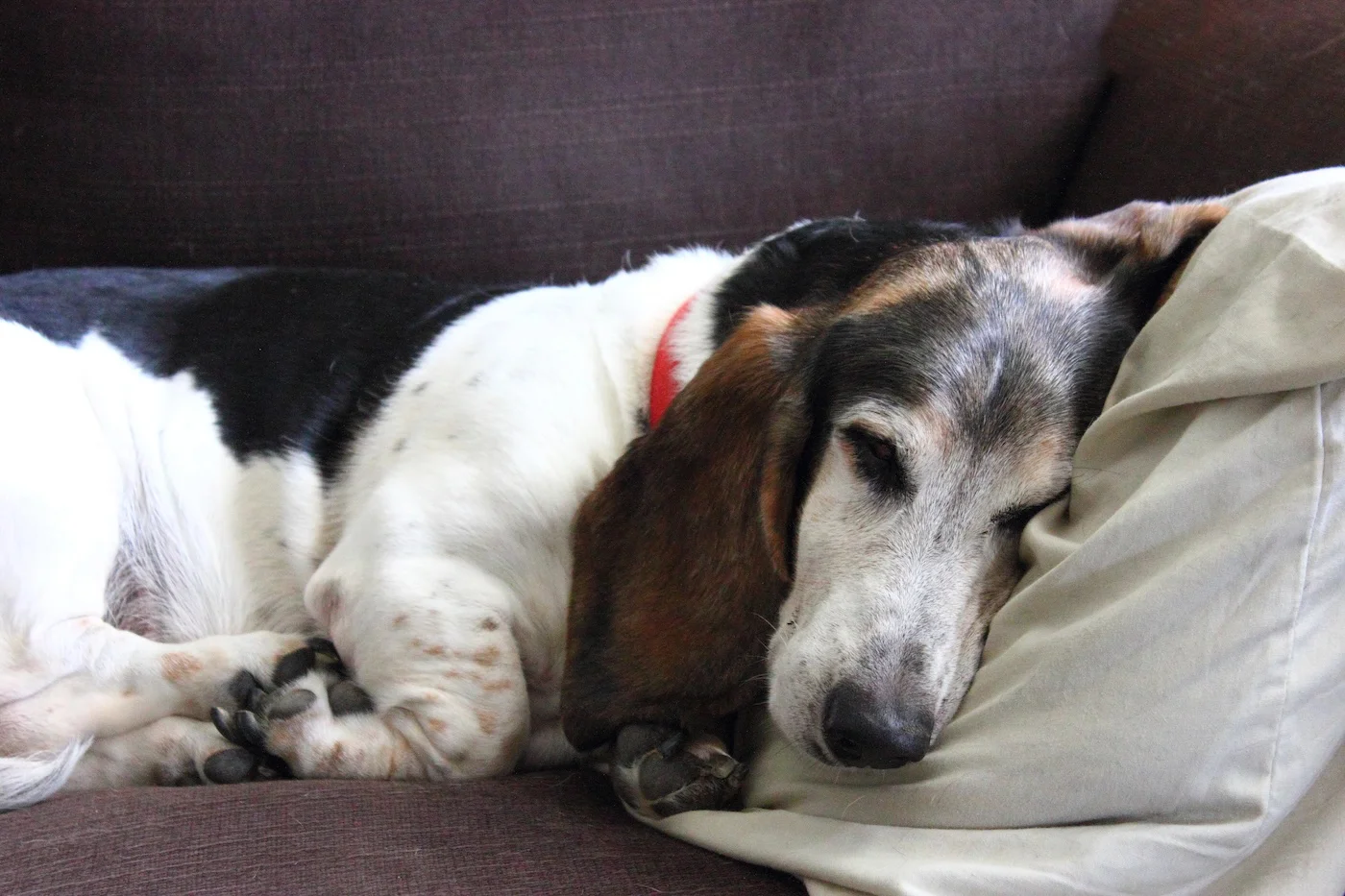
A Guide To Cognitive Decline In Pets: Signs, Causes & How To Help
By Dr. Adam Cooner – Alford Avenue Veterinary Hospital – Hoover, Alabama
Dec. 1, 2026
Your dog gets lost in a home it has navigated for a decade. Your cat, who used to sleep through the night, now wanders the hallway yowling at 3 a.m. It’s easy to call these moments “just getting old.” But they also can be early signs of cognitive decline in pets. That’s the bad news. The good news is that cognitive decline in dogs and cats is a medical condition that can be treated, though not cured.
Quick Answer About Cognitive Decline In Pets
Cognitive decline in dogs and cats, known as cognitive dysfunction syndrome (CDS), is an age-related brain disorder similar to Alzheimer’s disease in people. Common signs include disorientation, changes in social behavior, night-time waking, house soiling, forgetting learned habits, restlessness, and anxiety. It can’t be cured. But a vet check, consistent routines, daily exercise, mental enrichment, a brain-supporting diet, and, in some cases, medication, can slow its progression and improve quality of life.
What Is Cognitive Decline In Pets?
Cognitive dysfunction syndrome (CDS) is a chronic, progressive neurodegenerative condition that develops as the brain ages. In dogs, it’s called canine cognitive dysfunction (CCD or CCDS). In cats, it’s called feline cognitive dysfunction. Many owners simply call it dog dementia or cat dementia.
As pets age, their brains go through changes that look strikingly like those in human Alzheimer’s disease, including:
- Beta-amyloid build-up: Sticky protein deposits that damage and disrupt nerve cells. These plaques have been found in the brains of both senior dogs and cats more than 10 years old.
- Oxidative stress: Damage from free radicals, to which the brain is especially vulnerable.
- Reduced blood flow and inflammation: This starves brain cells of oxygen and energy.
- Shrinking brain tissue and lower levels of brain chemicals: Lowered levels of dopamine and acetylcholine can affect memory, mood and sleep.
Because these changes happen slowly, the signs creep in gradually and often are attributed to normal aging. That’s why cognitive decline in pets is believed to be widely underdiagnosed.
How Common Is Dementia In Dogs And Cats?
Canine dementia and cat dementia are more common than most owners realize, and the risk climbs with every birthday.
- Dog Dementia Estimates: Estimates range from about 14% to more than a third of dogs 8 years and older, depending on the study. In the large U.S. Dog Aging Project, the odds of canine cognitive dysfunction rose 52% with each additional year of age.
- Cats Dementia Estimates: One widely cited study found that 28% of cats aged 11–14 showed at least one age-related behavior problem, rising to more than 50% of cats aged 15 and older.
With pets living longer than ever, thanks to better nutrition and veterinary care, more families will face this condition.
Signs Of Dementia In Dogs: The DISHAA Checklist
Veterinarians use the acronym DISHAA to group the signs of canine cognitive dysfunction. In December 2025, an international CCDS Working Group published new diagnostic guidelines in the Journal of the American Veterinary Medical Association that build on this checklist.
D – Disorientation: Gets stuck in corners or behind furniture, stares at walls, waits at the wrong side of the door, seems lost in familiar places.
I – Interactions: Becomes clingy or withdrawn, greets family less, may not recognize familiar people or pets, new irritability.
S – Sleep–wake changes: Sleeps more during the day; paces, pants, whines or barks at night (“sundowning”).
H – House soiling: Accidents indoors despite being house-trained; may not signal to go out.
A – Activity: Less interest in play, toys or walks, or the opposite: aimless wandering, pacing, repetitive behaviors.
A – Anxiety: New fears, separation distress, restlessness, reactivity to noises or visitors.
Many owners also notice learning and memory changes, such as forgetting cues like “sit” or their own name or struggling to learn anything new.
Signs of Dementia in Cats: The VISHDAAL Checklist
Feline specialists use a similar acronym: VISHDAAL. Cats are masters at hiding problems, so behavior changes are often the first and only clue.
V – Vocalization: Loud, excessive meowing or yowling, especially at night. This is one of the most common signs.
I – Interaction changes: Clingier and attention-seeking behavior, or more withdrawn and irritable.
S – Sleep–wake changes: Sleeping more in the day; restless and awake at night.
H – House soiling: Urinating or defecating outside the litter box.
D – Disorientation: Staring blankly, getting stuck, going to the wrong side of a door, seeming lost.
A – Activity changes: Less play and exploring, or aimless wandering; reduced grooming.
A – Anxiety: Fearful or anxious in situations that never bothered them before.
L – Learning & memory: Forgets routines, feeding spots, or the location of the litter box.
Are Your Pet’s Behaviors Related To Dementia Or Just Normal Aging?
Some slowing down is expected as pets get older. However, confusion and big personality changes are not. This basic guide can help pet owners ascertain the difference between normal aging and dementia in pets:
| Normal Aging | Possible Cognitive Decline |
|---|---|
| Sleeps a little more, slower on walks. | Sleeps all day and is awake and restless at night. |
| Takes longer to get up after naps. | Gets stuck in corners or behind furniture. |
| Occasionally ignores a cue. | Forgets well-known cues, basic commands, daily routines, or family members. |
| Rare accident when ill. | New, repeated house soiling or missing the litter box. |
Cognitive Decline In Pets Tip: Rule Out Other Conditions First
Pain from arthritis or dental disease, kidney and liver disease, thyroid disease, high blood pressure, urinary infections, brain tumors and vision or hearing loss can all mimic dementia. In one veterinary screening study, a number of dogs flagged for cognitive signs turned out to have significant problems such as kidney disease or bladder infections. Many of these are very treatable, which is why a vet exam is the essential first step.
How Is Cognitive Dysfunction In Pets Diagnosed?
There’s no single test for dementia in pets. Your veterinarian will usually:
- Ask detailed questions about behavior changes, often using a DISHAA (dog) or VISHDAAL (cat) questionnaire.
- Do a full physical, orthopedic, and neurological exam.
- Run blood work, a urine test, and a blood pressure check to look for other causes.
- In some cases, your veterinarian might refer your pet for advanced imaging such as an MRI to rule out other brain disease.
Cognitive Decline In Pets Tip: Keep A Behavior Diary
Before your veterinary appointment, keep a one-week diary of unusual behaviors and take short phone videos, especially of night-time episodes. This information will help your veterinarian make informed decisions about what’s affecting your pet.
8 Strategies That Can Help A Dog Or Cat With Dementia
Cognitive dysfunction can’t be reversed, but a combination of approaches can slow its progression and ease many signs. Start early, change one thing at a time, and track what helps.
1. Partner with your veterinarian
Get a diagnosis, treat any underlying pain or illness, and schedule senior checkups every 6 months so changes are caught early.
2. Keep a predictable routine
Feed, walk, play and go to bed at the same times every day. Routine reduces confusion and anxiety for pets whose memory is slipping. Avoid rearranging furniture or moving food bowls and litter boxes.
3. Exercise the body every day
Gentle, regular activity matters. In the Dog Aging Project, inactive dogs had 6.47 times higher odds of cognitive dysfunction than very active dogs. Researchers can’t yet say which causes which, but daily movement suited to your pet’s ability is a safe, healthy habit. Try short, frequent sniff walks for dogs and a few minutes of wand-toy play for cats.
4. Exercise the brain too
- Food puzzles, snuffle mats, and treat-dispensing toys.
- Short, positive training sessions: refresh old tricks or teach easy new ones.
- Scent games (“find it”) for dogs; hidden treats and window perches for cats.
- New, gentle experiences: a different walking route, a new safe toy, calm social time.
5. Feed a brain-supporting diet
Several veterinary diets are formulated for cognitive health, including Hill’s Prescription Diet b/d, Purina Pro Plan Veterinary Diets NC NeuroCare, Purina Bright Minds, and Royal Canin Mature Consult. They’re enriched with antioxidants, omega-3 fatty acids and, in some cases, medium-chain triglycerides (MCTs) that give aging brain cells an alternative energy source. In a placebo-controlled study, dogs with cognitive dysfunction fed a diet with 6.5% MCT oil and a brain-support nutrient blend improved in all six categories of signs measured within 90 days. Ask your vet which diet suits your pet.
6. Ask about supplements and medication
- Selegiline (Anipryl) is FDA-approved for cognitive dysfunction in dogs. It’s sometimes prescribed off-label for cats.
- Supplements containing omega-3s, SAMe, phosphatidylserine, melatonin, and antioxidants may help some pets.
- Anxiety, sleep, or pain medication can make a big difference for pets who are distressed or awake at night.
Safety note: Never give human dementia, sleep, or anxiety medications to pets, and don’t give a dog supplement to a cat. Some ingredients, such as alpha-lipoic acid, are dangerous for cats.
7. Make your home dementia-friendly for pets
- Add night-lights in hallways and near food, water, and litter boxes.
- Block stairs, pools, and gaps where pets can get stuck.
- Add rugs or runners on slippery floors.
- For cats, add extra low-sided litter boxes on each floor and keep essentials on one level.
- Provide a quiet, comfortable “safe zone” bed away from busy areas.
8. Help with night-time restlessness (sundowning)
- Give more activity and daylight exposure during the day and keep evenings calm.
- Offer a last potty break or litter check just before bed.
- Try white noise, a worn T-shirt in the bed, or a calming pheromone diffuser.
- If night waking continues, talk to your vet. Untreated pain and anxiety are common culprits.
Pet Owners: Provide Self Care, Too!
Living with a pet with dementia can be exhausting, especially with broken sleep and house soiling. Ask family members to share night duties, use washable bedding, and puppy pads, and be kind to yourself. As the condition progresses, use a quality-of-life scale with your veterinarian to check whether your pet still enjoys eating, moving, resting comfortably, and spending time with you. Planning ahead makes difficult decisions a little easier when the time comes.
Concerned that your senior pet has dementia? Contact Alford Avenue Veterinary Hospital & book a senior wellness exam.
Frequently Asked Questions About Cognitive Decline In Pets
What is cognitive decline in pets?
Cognitive decline in pets, called cognitive dysfunction syndrome (CDS), is a slowly progressive, age-related brain disorder in dogs and cats. It affects memory, learning, awareness and behavior, and is often compared to Alzheimer’s disease in people.
At what age does dementia start in dogs and cats?
Signs usually appear in dogs from about 8 to 9 years of age and in cats from about 10 to 11 years of age. Risk rises steeply with every additional year, so annual or twice-yearly senior checkups are recommended.
What are the first signs of dementia in a dog?
Early signs are often subtle: getting stuck behind furniture or in corners, staring at walls, waking and pacing at night, forgetting known cues, new accidents in the house, and changes in how your dog greets or interacts with family.
What are the signs of dementia in cats?
Cats with cognitive decline often yowl or meow loudly at night, seem lost or stare blankly, sleep more by day and roam at night, miss the litter box, groom less, and become either clingy or withdrawn.
Can cognitive dysfunction in pets be cured?
No. Cognitive dysfunction cannot be cured or reversed, but early treatment can slow its progression and ease many signs. A combination of routine, enrichment, exercise, a brain-supporting diet and, when appropriate, medication gives most pets the best quality of life.
Is there medication for dog dementia?
Yes. Selegiline (Anipryl) is FDA-approved to treat cognitive dysfunction syndrome in dogs. Your veterinarian may also suggest a therapeutic senior diet, supplements, or medicine for anxiety, pain or sleep. Never give human dementia or sleep medications without veterinary advice.
How can I help a senior dog or cat with dementia at night?
Keep a predictable routine, give exercise and mental activity during the day, add night-lights, keep food, water and litter boxes in easy-to-find places, and block off stairs. If your pet is still restless or vocal at night, ask your vet about pain control or sleep and anxiety medication.