
Guide To Kidney Disease In Pets
Kidney disease is one of the most common health concerns we diagnose in dogs and cats, especially as pets age. Recognizing the signs of kidney disease in pets early – before symptoms become severe – gives your veterinarian the best chance to slow its progression and protect your pet’s quality of life. This guide to kidney disease in pets (specifically for dogs & cats) covers the two main forms of kidney disease we treat: chronic kidney disease (CKD) and acute kidney injury (AKI). You’ll also learn about the symptoms, causes, diagnostic tests, and treatment options every pet owner should know.
What Do the Kidneys Do?
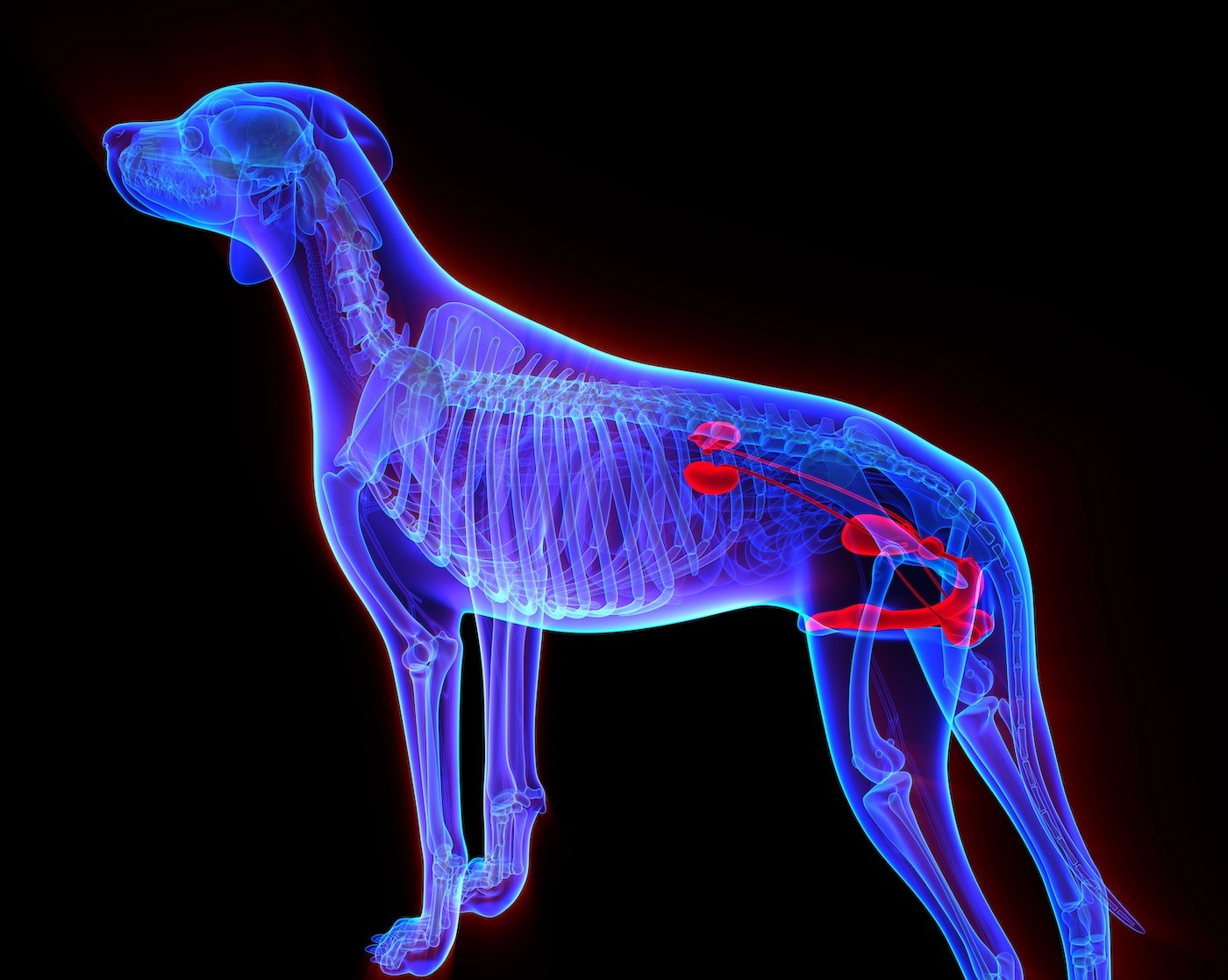
The kidneys are vitally important in maintaining life for both us and our pets. This pair of organs filters the blood to remove metabolic waste products in the urine, maintains the delicate balance between water and electrolytes in the blood, and produces hormones that help manage calcium, phosphorus, red blood cell production, and blood pressure. Disease of the kidneys can affect any or all these functions. The adjective renal means “associated with the kidneys” and is often used to describe these diseases.
What Are the Signs of Kidney Disease in Dogs and Cats?
The most common signs of kidney disease in pets (dogs and cats) include:
- Increased thirst and urination
- Lethargy
- Reduced appetite
- Vomiting
- Weight loss
These signs can be subtle in the early stages, which is why routine bloodwork often is the first place kidney disease is detected – sometimes before a pet shows any outward symptoms at all.
Kidney Disease In Pets: Chronic Kidney Disease (CKD)
CKD is the most common type of renal disease we see in our practice. CKD generally develops due to aging-associated decline in kidney function but can also occur because of congenital abnormalities in the kidneys. Each kidney is composed of hundreds of thousands of filtration units called nephrons. In our senior patients, these nephrons begin to deteriorate and cease functioning. The remaining nephrons will compensate for quite some time, but eventually this stress leads to further loss of nephrons and progression of CKD. This is particularly common in older cats. The International Renal Interest Society (IRIS) estimates that 80% of geriatric cats are affected by CKD.
CKD is incurable and progressive. The good news is that many pets can be effectively managed and maintain good quality of life – sometimes for years following diagnosis. But eventually, you and your veterinarian may have to discuss humane euthanasia if quality of life is deteriorating due to kidney failure.
How is CKD Managed?
The mainstays of CKD management are diet, fluid therapy, and blood pressure management.
A prescription kidney support diet will be recommended. These diets are phosphorus-restricted because diseased kidneys cannot eliminate phosphorus normally, and its retention may lead to damaging mineralization within the kidneys. Antioxidants and special formulations to improve taste, and thus appetite, also may be a feature of these diets. Appropriate choices include Hill’s Prescription Diet k/d, Purina NF, and Royal Canin Renal Support.
Your veterinarian and his or her staff may train you to administer subcutaneous, or under the skin, fluids to your pet at home. These fluids can help a patient maintain hydration in the face of declining kidney function. There may, however, come a time when more aggressive fluid therapy is needed. In those cases, hospitalization for IV fluids is recommended.
High blood pressure, or hypertension, is common in animals with CKD. Your veterinarian will most likely assess blood pressure periodically to determine if medication is needed to decrease blood pressure.
Waste products building up in the blood may reduce appetite and cause gastrointestinal distress, so your veterinarian also may prescribe appetite stimulants and nausea medications, respectively.
Many pets with CKD become anemic. A medication called Varenzin-CA1 is available to help cats produce more of the hormone responsible for stimulating red blood cell production (erythropoietin).
Kidney Disease In Pets: Acute Kidney Injury (AKI)
Acute is another word for sudden. AKI, therefore, describes sudden deterioration in kidney function. Causes for AKI include infection, heat stroke, trauma, medication overdose, and toxin ingestion.
Infectious Causes of AKI
In some cases, a bacterial urinary tract infection (UTI) may ascend to the kidneys and cause a disease called pyelonephritis. Aggressive IV fluid therapy, appropriate antibiotics based on urine culture, and pain management are needed to treat pyelonephritis and give the kidneys their best chance of returning to normal function.
Another infectious cause of kidney disease is the bacterial disease leptospirosis. Leptospirosis is caused by bacteria that are spread in the urine of many mammals, most notably rodents. Dogs, and less commonly cats, become infected by drinking contaminated water sources. This disease can cause fever, low platelet counts, vomiting and diarrhea, and both kidney and liver damage. Infected dogs will often need to be hospitalized for IV fluids and antibiotics, eventually transitioning to a course of oral antibiotic therapy to be completed at home. Leptospirosis is zoonotic, meaning that it can be transmitted to people. So, precautions must be taken to prevent human infection. Vaccination against leptospirosis is now recommended for all dogs, as prevention is far preferable to treatment.
Heat Stroke and Trauma
Both heat stroke and trauma may lead to AKI due to sudden reduction of blood flow to the kidneys due to circulatory shock. These cases generally require emergency room care and hospitalization in an intensive care unit.
Medication Overdose
Many medications can have an impact on the kidneys. Two classic examples are (1) antibiotics in the aminoglycoside class, including gentamicin and amikacin, and (2) nonsteroidal anti-inflammatory drugs (NSAIDs).
Even at labeled doses, aminoglycosides have the potential to damage the kidneys, so most patients on these drugs are hospitalized for concurrent fluid therapy and close monitoring of their kidney function.
NSAIDs, however, are frequently dispensed for at-home administration to combat pain associated with surgery, orthopedic injury, or arthritis. Commonly prescribed NSAIDs include carprofen (Rimadyl), meloxicam, Onsior, Previcox, and Deramaxx. At labeled doses, these medications are generally safe. However, they all marginally decrease blood flow to the kidneys. In a patient with already compromised kidneys or in a patient who receives an overdose, this can become more significant. Cats are more susceptible to the adverse effects of NSAIDs, and we generally do not prescribe them for long-term use for this reason.
There are many over-the-counter NSAIDs labeled for use in humans, including ibuprofen and naproxen. These medications are NOT safe for use in dogs or cats, and their use greatly increases the risk of kidney damage.
Toxic Causes of AKI
Many toxins are associated with injury to the kidneys, including antifreeze (ethylene glycol), lilies (in cats), and grapes and raisins. If your pet is exposed to any of these toxins, immediate veterinary attention is needed. Your veterinarian or emergency clinic will likely try to induce vomiting to remove the toxin from the GI tract, if appropriate, and institute measures to monitor kidney function while providing supportive care.
How is Kidney Disease In Pets Detected and Monitored?
Commonly recognized symptoms of kidney disease include:
- Lethargy
- Lack of appetite
- Vomiting
- Weight loss
- Changes in urination and thirst
It’s important to communicate with us about any behavioral changes or concerning symptoms, but keep in mind that none of these symptoms is specific to kidney disease: additional testing is needed to make a diagnosis.
Whether your veterinarian suspects chronic kidney disease or an acute kidney injury, diagnosis will include evaluation of comprehensive blood work and analysis of the urine. Markers of kidney dysfunction are generally elevated blood urea nitrogen (BUN), elevated creatinine, and elevated phosphorus. Anemia (low red blood cell count) and electrolyte abnormalities may also be present, depending on the cause and severity of kidney disease. Diseased kidneys cannot conserve water appropriately, so urine concentration (specific gravity) is low. In some cases, glucose and/or protein are found in the urine due to damage to the nephrons. Blood pressure often is high in CKD patients.
If your dog is on a long-term NSAID for arthritis pain, we recommend general lab work be done every 6 months at the minimum to ensure the kidneys are healthy enough to continue this course of treatment. The same is true for patients on other medications that may influence renal function, including furosemide and ACE inhibitors.
The earlier we recognize problems with kidney function, the better our chance of effectively treating your pet. This is one reason why we discuss annual screening lab work and why that recommendation becomes stronger as your pet ages.
Frequently Asked Questions About Kidney Disease in Dogs and Cats
What are the earliest signs of kidney disease in dogs and cats?
The earliest signs of kidney disease in pets often are subtle. Increased thirst and urination are typically the first noticeable changes. Because early-stage kidney disease frequently causes no obvious symptoms, routine annual bloodwork is the best way to catch it before advanced signs like vomiting, weight loss, or poor appetite develop.
What’s the difference between acute kidney injury (AKI) and chronic kidney disease (CKD)?
AKI is a sudden decline in kidney function caused by things like infection, toxin exposure, trauma, or medication overdose – and it may be reversible with prompt, aggressive treatment. CKD, on the other hand, is a slow, progressive, and incurable decline in kidney function that is managed long-term rather than cured.
Can kidney disease in dogs and cats be cured?
CKD cannot be cured, but many pets are effectively managed for months or even years with the right diet, fluid therapy, and blood pressure control. AKI may resolve if the underlying cause is identified and treated quickly, though some cases result in permanent kidney damage.
How is kidney disease diagnosed in pets?
Veterinarians diagnose kidney disease through bloodwork (checking BUN, creatinine, and phosphorus levels) and urinalysis (checking urine concentration, protein, and glucose). Blood pressure also is commonly measured, since hypertension is common in pets with kidney disease.
What should dogs and cats with kidney disease eat?
Pets with kidney disease typically do best on a prescription kidney support diet that is phosphorus-restricted, such as Hill’s Prescription Diet k/d, Purina NF, or Royal Canin Renal Support. These diets help reduce the workload on damaged kidneys and often include antioxidants to support overall health.
Is ibuprofen or another over-the-counter pain reliever safe for my dog or cat?
No. Human over-the-counter NSAIDs like ibuprofen and naproxen are not safe for dogs or cats and significantly increase the risk of kidney damage. Only use pain medications prescribed specifically for your pet by your veterinarian.
How often should my senior pet be tested for kidney disease?
We recommend annual screening bloodwork for senior pets, and every six months for pets on long-term medications that can affect the kidneys, such as NSAIDs, furosemide, or ACE inhibitors. Early detection significantly improves treatment outcomes.
What toxins commonly cause kidney damage in dogs and cats?
Common toxins linked to acute kidney injury include antifreeze (ethylene glycol), lilies (especially dangerous for cats), and grapes or raisins. If your pet is exposed to any of these, seek emergency veterinary care immediately.
Think your dog or cat has kidney issues? Schedule an exam with Alford Avenue Veterinary. We can conduct blood tests & urine tests to determine if your pet has kidney disease.