
Senior Pet Care Tips For Aging Dogs & Cats
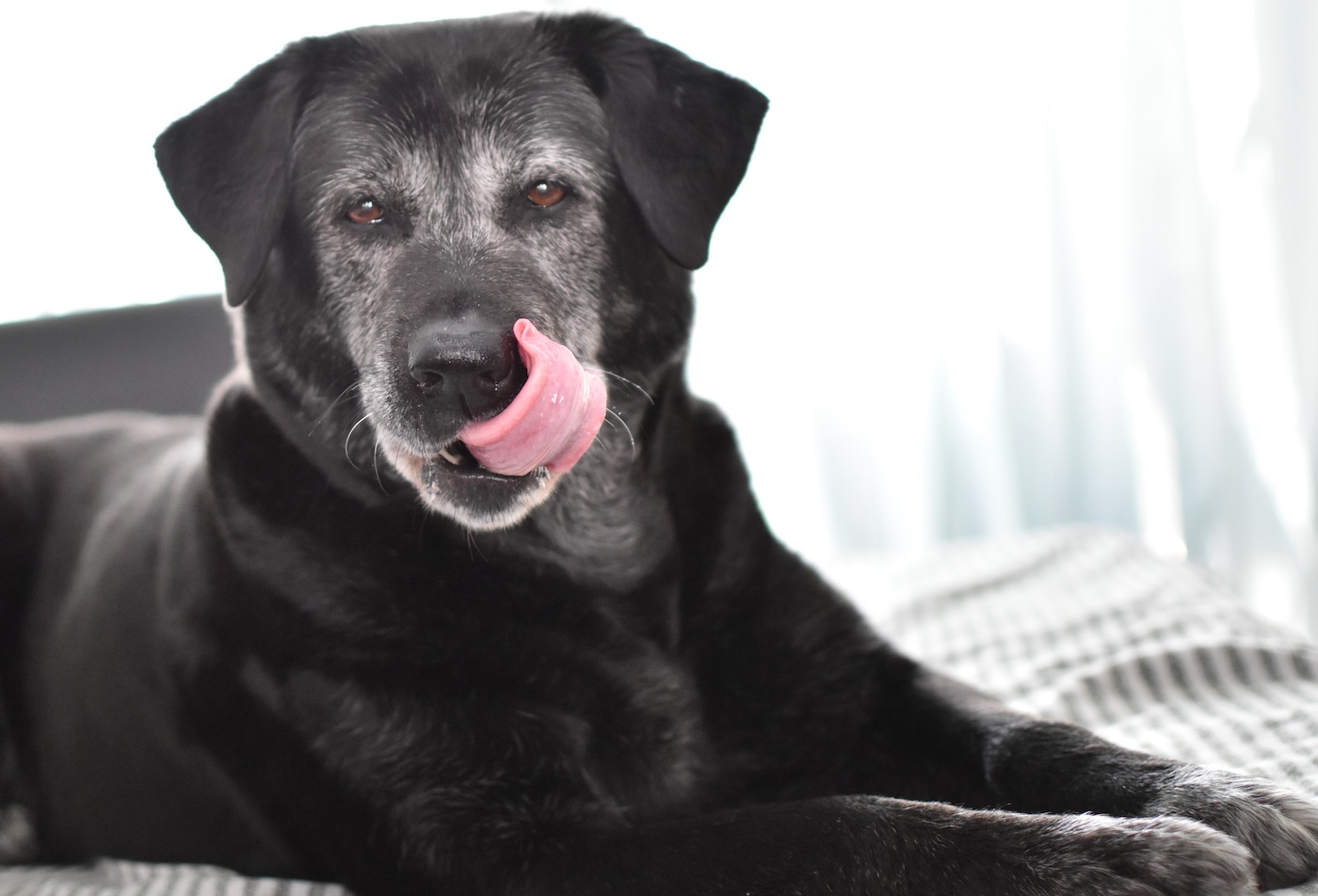
Pets age faster than we humans do – and it’s important to provide pet care specific to senior pets as they get on in years. You may find that your older dogs and cats are a little stiff after a nap. You may see their muzzle showing signs of gray. It may take longer for senior pets to go up and down stairs or navigate a cat tree. By deploying these Senior Pet Care Tips from Alford Avenue Veterinary Hospital, you can make your pet’s “golden years” more comfortable. Here are four essential pet care actions that every pet owner should take for their senior dogs & cats.
Top 4 Senior Pet Care Tips: Schedule More Frequent Vet Visits
Once your pet enters their senior years, twice-yearly veterinary checkups become the new standard. Many age-related conditions — kidney disease, arthritis, dental disease, diabetes, heart conditions, and certain cancers — develop quietly and are far easier to manage when caught early. Ask your vet about senior wellness panels (bloodwork, urinalysis, and blood pressure) at each visit.
- For dogs: Watch for limping, reluctance to jump, changes in appetite, or unusual lumps.
- For cats: Cats are masters at hiding illness. Increased thirst, weight loss, or hiding more than usual can be early signs of kidney disease, hyperthyroidism, or diabetes — all common in older cats.
Top 4 Senior Pet Care Tips: Adjust Their Diet & Watch Their Weight
As pets enter their senior years, their metabolism slows down, and nutritional needs shift. Consult with your vet about transitioning to a senior-specific or therapeutic diet, and measure meals rather than free-feeding. Excess weight puts strain on aging joints and organs, while underweight pets may need a more calorie-dense or palatable food.
- For dogs: Joint-supportive ingredients like glucosamine, chondroitin, and omega-3 fatty acids can help mobility. Keep treats to under 10% of daily calories.
- For cats: Older cats need high-quality, easily digestible protein to maintain muscle. Make sure fresh water is always available — consider a pet fountain, as many cats drink more and remain better hydrated if they have access to moving water.
Top 4 Senior Pet Care Tips: Make Your Home More Comfortable & Accessible
Small home modifications can prevent injuries and reduce daily stress on your pet’s aging joints and senses. Top goals for “senior-proofing” your home for older pets include creating soft, warm resting spots, ensuring good footing and traction especially on stairs, and making it easy for senior pets to access their beds, bowls, and sleeping areas. Examples of ways to “senior proof” your home for older pets include:
- Orthopedic beds in quiet, draft-free spots cushion sore joints.
- Non-slip rugs or runners on hardwood or tile floors help prevent slips and falls.
- Ramps or pet stairs help dogs onto couches and into cars and help cats safely reach their favorite windowsill.
- Raised food and water bowls ease neck and back strain.
- Low-sided litter boxes (for cats) make entry easy for arthritic hips — and add an extra box so they never have far to go.
- Night lights help pets with failing vision navigate after dark.
Top 4 Senior Pet Care Tips: Keep Them Moving Mentally & Physically
Gentle, consistent activity preserves muscle, supports joint health, and slows cognitive decline. The goal for senior pets is regular movement and engagement, not intensity. Also, pair steady movement with grooming sessions, which double as a chance to check for new lumps, sore spots, or skin issues. Also, watch for cognitive changes. Disorientation, altered sleep patterns, increased vocalizing, or house-soiling can signal cognitive dysfunction, which is treatable when caught early.
- For dogs: Several short, gentle walks beat one long walk. “Sniffing time” counts as mental enrichment. Puzzle feeders and new low-impact toys also help keep the brain active.
- For cats: Short play sessions with a wand toy or feather (a few minutes, a few times a day) keep muscles strong. Window perches and food puzzles provide low-effort mental stimulation.
Senior pets often want a little more of what they’ve always loved — quiet company, soft places to rest, and a steady, consistent routine. These senior pet care tips are the most obvious and can be put in action for virtually all senior dogs & cats. In addition, there are plenty of other senior pet care strategies that also can be put in place to help pets age gracefully.
Need some consulting on revising care of pets as they get older? Contact Alford Avenue Veterinary Hospital & schedule a senior pet exam & consult.