
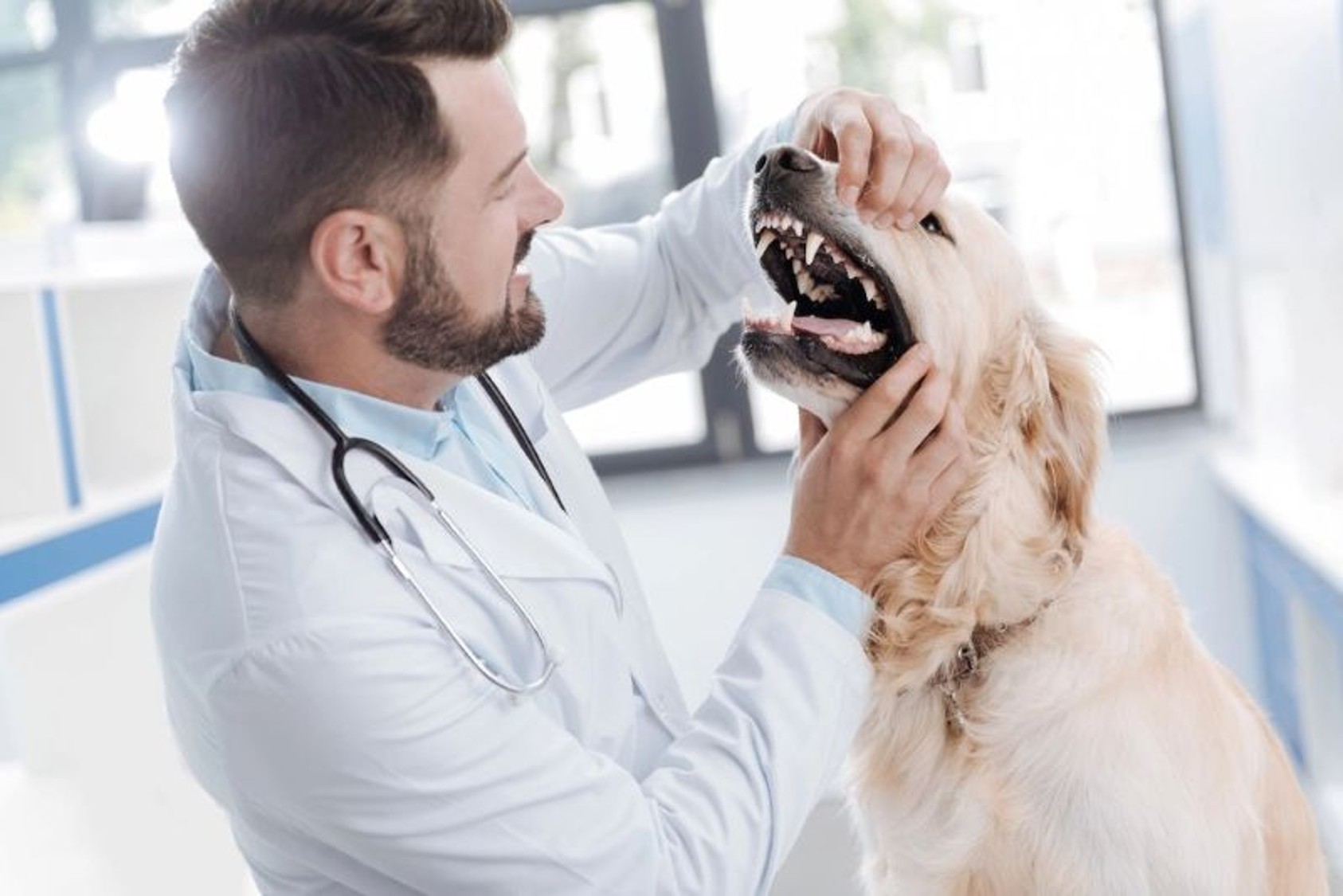
The Pros & Cons of Anesthesia Free Pet Dental Cleaning
Anesthesia-free pet dental cleaning is a growing trend that is causing great concern among the veterinary professional community. With that in mind, we are covering the pros and cons of anesthesia-free pet dental cleaning so pet owners can make informed decisions about their pet’s dental care.
Anesthesia-free dentistry for pets, also known as Non-Anesthetic Dentistry (NAD), is a dental procedure in which your pet’s teeth are scaled and polished without the pet being under general anesthesia. Multiple veterinary medicine associations don’t consider this a viable way to keep your pet’s teeth, gums, and mouth healthy. Why? Anesthesia-free dentistry for pets only cleans the visible surface of the teeth. This results in pet owners having a false sense of security that their pet’s teeth and gums are healthy.
The Pros of Anesthesia-Free Pet Dental Cleaning
There are some perceived “pros” to anesthesia-free pet dental cleaning that cause problems in the long run. Typical perceived “pros” of this type of dental procedure for pets include:
Lower Initial Cost Compared To Pet Teeth Cleaning Under Anesthesia: Anesthesia-free pet dental cleaning typically costs less than cleaning a pet’s teeth under anesthesia. However, this is because a pet dental cleaning without anesthesia ends up being mostly cosmetic, i.e., The teeth look cleaner, but the procedure doesn’t treat or prevent underlying periodontal disease. This means pet dental cleanings without anesthesia are not effective for maintaining the dental health of pets.
Cosmetic Improvement Only: An anesthesia-free pet teeth cleaning process can remove visible tartar and plaque from your pet’s teeth – so the teeth will look better, and whiter. However, any disease under the gum line is left untreated. This contributes to long-term health issues for pets and typically results in the need for tooth extractions.
Reduced Risks Associated With Putting Pets Under Anesthesia: Pet owners often worry about putting their pets under anesthesia for many reasons. Very old pets may not be good candidates for anesthesia. Dogs with the MDR1 genetic mutation may be at higher risk due to their sensitivities to certain drugs. However, when pet owners make the decision to avoid pet teeth cleaning under anesthesia, they introduce other health risks. Other health risks that can crop up from not cleaning a pet’s teeth under anesthesia can include systemic infection from bacterial infection under the gumline, pain from unhealthy teeth that need to be removed, and more.
The Cons of Anesthesia-Free Pet Dental Cleanings
Here’s a look at the MANY risks associated with pet dental cleanings:
Non-Anesthesia Pet Teeth Cleanings Don’t Clean Below The Gumline: Periodontal disease occurs where you can’t see it: below the gum line. If you don’t get this area cleaned, untreated infections can cause systemic infection.
Does Not Deal With Advanced Periodontal Disease: Surface cleanings of visible tooth areas does not address or mitigate advanced periodontal disease. Advanced periodontal disease typically results in the need for tooth extractions, which must occur under anesthesia.
Creates A High Stress Experience For Pets: When anesthesia free dental treatments occur, pets are awake during a scary process, and they must be forcibly held down while the treatment occurs. This creates a high stress experience for pets that can manifest in physical symptoms and mental-emotional damage.
Risk of Injury From Metal Tools: When a pet is conscious, scared, and does not understand why they are being held down while their teeth are scraped, there’s great potential for the pet to be struggling. This can result in a pet being cut or stabbed by metal dental tools.
No X-rays or Diagnosis Occur: When non-anesthesia teeth cleaning occurs, x-rays are not performed. When assessing the dental health of pets, x-rays are a needed diagnostic tool that can show bone loss, root issues, and hidden abscesses.
Delays Necessary Dental Treatment: When pet owners see that their pet’s visible teeth areas look cleaner, they get a false sense of security which can delay necessary dental treatments. As with most disease, when the disease or condition is identified in early stages, it often costs less to treat rather than treating disease in late stages.
Tooth Polishing Is Not Performed: When anesthesia is not used in pet dental cleanings, tooth polishing typically does not occur. Tooth polishing is a critical part of preventing more build-up of plaque and tartar. When teeth are not polished, it leaves a rough surface on teeth, which allows bacteria to quickly grow back, and cause tartar, plaque and infection.
Unregulated / Unlicensed Practitioners: Anesthesia free pet dental cleanings often are performed by people who are not trained or licensed as veterinarians or veterinary technicians.
What Are Pet Dental Conditions Where Teeth Cleaning Under Anesthesia Is A MUST?
There are 5 main pet dental conditions where teeth cleaning MUST take place under anesthesia:
- Advanced Periodontal Disease: This is when there’s significant recession of the gums or deep periodontal pockets.
- Potential Tooth Fractures or Tooth Decay: When a veterinarian suspects that a pet has a tooth fracture or tooth decay, the main way to determine an accurate diagnosis is through x-rays which are done while a pet is under anesthesia.
- Severe Buildup of Tartar: Tartar is plaque that has mineralized and hardened onto the pet’s teeth, usually near the gum line. Tartar looks like a hard, yellow or brown film on teeth.
- Oral Pain or Infection: When pets show signs of dental pain or have visible oral infections, dental cleanings must be conducted under anesthesia.
- Anxious or Uncooperative Pets: Pets that are anxious or become aggressive during dental procedures must be placed under anesthesia for the safety of the pet and the safety of the veterinary team.
What’s The Position of Veterinary Associations on No-Anesthesia Pet Dentistry?
The consensus is clear. Virtually all major veterinary organizations do not support anesthesia-free dental cleanings for pets because this procedure provides minimal health benefits, a false sense of security for pet owners, and comes with significant risks. Veterinary associations that do not support the use of this procedure include:
- American Veterinary Medicine Association (AVMA)
- American Animal Hospital Association (AAHA)
- American Veterinary Dental College (AVDC)
The bottom line is that anesthesia pet dental cleaning typically generates whiter teeth and a lower upfront cost. But this procedure has major problems including missing serious periodontal disease under the gumline, creating a high-stress experience for pets; creating a lack of x-rays & accurate diagnosis, and resulting in a failure to provide effective, long-term dental care for pets.
Need help with effective dental care for your pets? Contact Alford Avenue Veterinary Hospital & schedule an appointment today!