
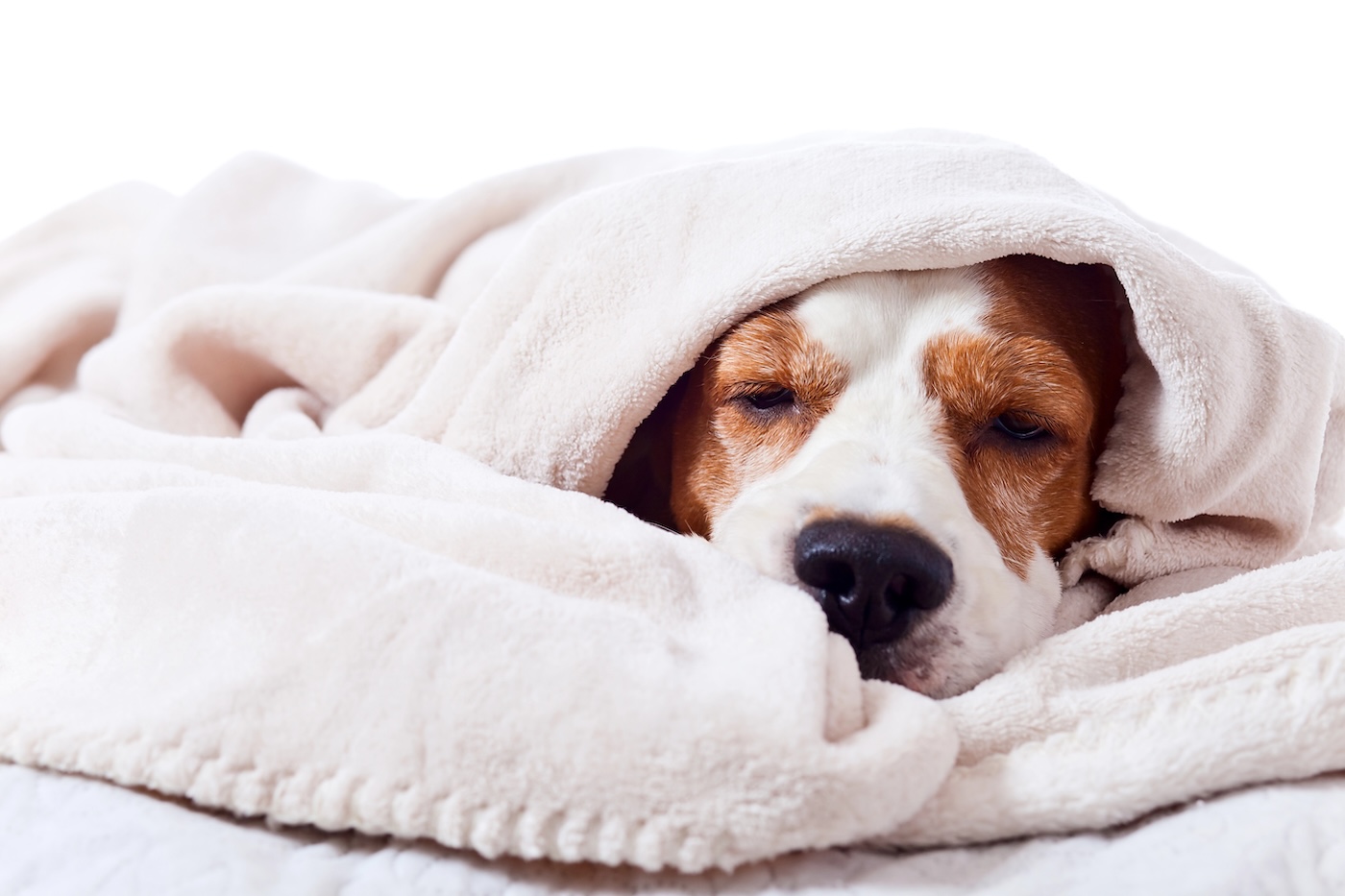
A Guide to Kennel Cough In Dogs: Rising Risks, Symptoms, Treatment & Prevention
We’ve introduced this Guide To Kennel Cough In Dogs because there have been some significant changes to how this infectious condition affects dogs. In recent years, kennel cough has seemingly become more prevalent and, perhaps, more dangerous due to a number of factors, including the following:
- The increased popularity of large boarding facilities and doggie daycares
- The emergence of new pathogens, including a different strain of canine influenza (H3N2)
- Increased antibiotic resistance in bacterial pathogens
- Increased vaccine skepticism and subsequent failure to vaccinate
What Is Kennel Cough?
The term “kennel cough” does not describe a single disease. It is, instead, a term used to describe the symptoms caused by several different infectious respiratory pathogens. The more scientific term for this disease syndrome is canine infectious respiratory disease complex (CIRD). Viruses, Mycoplasma, and/or bacteria—including Bordetella bronchiseptica—are implicated in kennel cough cases. Infection spreads quickly in social settings like kennels, dog parks, or groomers where aerosol droplets are easily spread.
How Will I know My Dog Has Kennel Cough?
There are multiple symptoms that indicate your dog has kennel cough:
- “Honking” Cough: A very deep, harsh, dry, “honking” cough from your dog, or a hacking cough that sounds like they are coughing something up.
- Retching: The cough often ends with a gagging motion, and your dog may cough up a white, milky fluid.
- Nasal/Eye Discharge: Runny nose or eyes.
- Sneezing: Sneezing can occur in addition to harsh coughing.
- Lethargy: Low energy levels.
- Reduced Appetite: A slight decrease in eating.
- Mild Fever: The dog may feel warmer than usual.
How Does Kennel Cough Spread?
Kennel cough spreads rapidly through airborne respiratory droplets, direct dog-to-dog contact, and contaminated surfaces like water and food bowls, toys, or bedding. It is highly contagious, particularly in crowded, poorly ventilated areas like boarding kennels, dog parks, and doggie daycare facilities, with symptoms often appearing within 3 to 7 days of exposure. While kennel cough is not contagious to humans, people can transfer the bacteria via their hands and clothing.
How Is Kennel Cough Treated?
Cough Suppressants: To quell the aggressive hacking cough, veterinarians often prescribe cough suppressants to help the infected dog—and its owners—get some rest.
- Anti-inflammatories: Anti-inflammatory drugs also may be prescribed to help reduce inflammation of the airway.
- Antibiotics? In cases where pneumonia is diagnosed or strongly suspected, of course antibiotic therapy is an important part of the treatment plan; however, many cases of kennel cough are viral. Most are mild and self-limiting. Antibiotics are prescribed on a case-by-case basis at the discretion of the veterinarian. Often, supportive care and rest are sufficient. Inappropriate use of antibiotics contributes to bacterial resistance and/or may unnecessarily subject your dog to typical antibiotic side effects like gastrointestinal upset.
Note: If your dog is suspected of having infectious respiratory disease, it’s likely you’ll be asked to wait in or near your vehicle until you and your pet can be directed to an appropriate space for examination in a way that minimizes the risk to other dogs waiting on their appointments and to those boarding in our kennel.
How To Stop the Spread of Kennel Cough
Keep in mind that kennel cough is HIGHLY contagious. As your dog is undergoing treatment, it’s critically important to be a responsible pet owner to help prevent the condition from infecting other dogs. During treatment, dog owners should take the following precautions:
- Step 1: Keep Your Dog Away from Other Dogs:
- Do not take your dog to groomers, dog parks, boarding facilities, or doggie daycare facilities.
- If you have “doggie friends” that your dog encounters on daily walks, alert the other dog owner from a distance, and keep the two dogs from coming into contact.
- Step 2: Sanitize The House, Dog Toys, Bowls, Etc.: As your dog is undergoing treatment for kennel cough, it’s wise to put a special focus on sanitizing the house.
- Water and food bowls should be regularly run through the dishwasher on the “Sanitize” cycle.
- Toys should be wiped down with disinfecting wipes and then washed in warm soap and water.
- Dog beds should be washed frequently.
- Floors should be regularly mopped with a disinfectant solution.
- Dog crates should be wiped down with disinfecting cloths as well.
Note: To reduce the risk of spreading kennel cough, sick dogs should be isolated for at least two weeks after their symptoms subside.
How To Prevent Kennel Cough
When it comes to kennel cough, the old saying “an ounce of prevention is worth a pound of cure” certainly applies.
The best protection against kennel cough is vaccination. If your dog is frequently in close contact with other dogs, boards, goes to the groomer, or attends a doggie daycare, we recommend staying up to date on Bordetella and canine influenza vaccines.
At Alford Avenue Veterinary Hospital, we vaccinate annually with an oral Bordetella vaccination. Oral and intranasal vaccines stimulate local immunity, meaning that dogs have developed some immune protection against this bacterium within 48 hours after receiving the vaccine. Faster protection means less chance of contracting disease.
Our influenza vaccination protects against the two types of influenza known to cause disease in dogs: H3N2 and H3N8. If it’s your dog’s first time being vaccinated against influenza, he or she will need a booster vaccination 2-4 weeks after the initial one. Influenza is boostered annually thereafter.
Both Bordetella and canine influenza vaccinations are required to board at Alford Avenue Veterinary Hospital.
Remember that “kennel cough” is just a catch-all term for lots of infectious respiratory disease in dogs. There are not vaccines for all the potential causes of kennel cough, so vaccines may not completely prevent infections.
If you think your dog has kennel cough, please contact Alford Avenue Veterinary Hospital, and we’ll schedule an appointment to assess your dog’s condition and implement a treatment plan.